We’re standing at the edge of Apple’s biggest iPhone transformation since the original launch, and frankly, what’s coming in 2026 will reshape how we think about our pocket computers entirely. Apple’s ditching their predictable annual rhythm for something bolder—a biannual dance that splits mainstream and premium releases while seven game-changing updates lurk beneath the surface. The question isn’t whether you’ll want these features, but whether you can afford to wait.
Key Takeaways
- Apple shifts to biannual iPhone releases: spring models target affordability while September showcases premium devices starting 2026.
- iPhone 17e launches Spring 2026 with MagSafe return, Apple’s C1X modem, and A19 chip for mainstream consumers.
- iPhone 18 Pro eliminates Dynamic Island with full under-display Face ID and relocated front camera in September 2026.
- First iPhone Fold debuts Fall 2026 featuring 7.6-7.8 inch foldable display, A20 chip, but potential $2,500 pricing.
- Supply chain risks including foldable display failures and 2nm chip bottlenecks may create launch scarcity issues.
iPhone 17e Spring 2026: MagSafe Returns and C1X Modem Details
While we’re still catching our breath from the iPhone 16 series, Apple’s already cooking up something special for spring 2026 with the iPhone 17e. Here’s what’ll make you smile: MagSafe charging‘s coming back after sitting out the 16e—we’re talking full accessory support restored. But the real game-changer? Apple’s breaking free from Qualcomm’s grip with their own C1X cellular modem, bringing more control in-house where it belongs.
They’re pairing that C1X with an A19-class chip that promises the sweet spot between power and efficiency for everyday folks like us. Sure, early whispers suggest the N1 wireless chip might skip this round, but honestly, we’ll take independence over fancy networking bells and whistles any day.
iPhone 18 Pro September 2026: Under-Display Face ID Revolution
When September 2026 rolls around, we’ll witness Apple’s boldest design gamble yet—tucking Face ID‘s entire sensor array beneath the iPhone 18 Pro‘s display to finally bid farewell to that stubborn Dynamic Island. This under-display wizardry won’t just give us a cleaner screen; it’ll reshape how we think about camera placement, with early whispers suggesting a single front-facing lens might peek through a tiny cutout while the rest stays hidden. The real magic happens behind the scenes, where Apple’s engineers have cracked the code on preserving Face ID’s rock-solid security and lightning-fast recognition, even when those sensors are playing hide-and-seek under pixels.
Hidden Notch Technology
How’s this for a game-changer? We’re looking at Apple’s boldest move yet with the iPhone 18 Pro’s under-display Face ID system. They’re finally ditching that pesky notch we’ve all learned to live with, giving us the freedom to enjoy our screens without interruption.
This isn’t just cosmetic tinkering – it’s revolutionary engineering that’ll change how we interact with our devices:
- Seamless full-screen experience without visible Face ID components cluttering our view
- Advanced display-sensor integration that maintains security while hiding beneath the surface
- A20-series chip with 12GB RAM powering sophisticated on-device AI authentication
Sure, there might still be a small selfie camera cutout, but we’re talking about a massive leap toward true edge-to-edge freedom that puts control back in our hands.
Camera Placement Changes
Since Apple’s throwing tradition out the window with the iPhone 18 Pro, we’re witnessing the biggest camera shake-up in iPhone history. Come September 2026, we’ll finally break free from that stubborn Dynamic Island that’s been cluttering our screens since day one. Apple’s burying the entire Face ID sensor array beneath the display, giving us that clean, uninterrupted view we’ve been craving.
Here’s where it gets interesting – they’re moving the selfie camera to a tiny cutout in the top-left corner while keeping Face ID completely hidden underground. It’s like having your cake and eating it too. This under-display wizardry demands brand-new camera and lighting tricks to keep authentication rock-solid, but it’s worth the engineering gymnastics to finally own a truly seamless screen.
Face ID Improvements
Although we’ve grown accustomed to that familiar Dynamic Island dance, Apple’s cooking up something special that’ll make us forget we ever missed it. The iPhone 18 Pro‘s bringing us freedom from screen interruptions with revolutionary under-display Face ID technology that hides those sensors right beneath the glass.
This breakthrough delivers what we’ve been yearning for:
- Clean slate design – No more notches or islands cluttering our view
- Separated components – Front camera moves to upper-left corner while Face ID stays hidden
- Full-screen experience – Uninterrupted display real estate for everything we love
Come September 2026, we’ll witness Apple’s boldest redesign yet. They’re fundamentally rethinking how authentication works, giving us the visual freedom we deserve while keeping that security we trust.
iPhone Fold 2026: Apple’s First Foldable Design and Display Specs
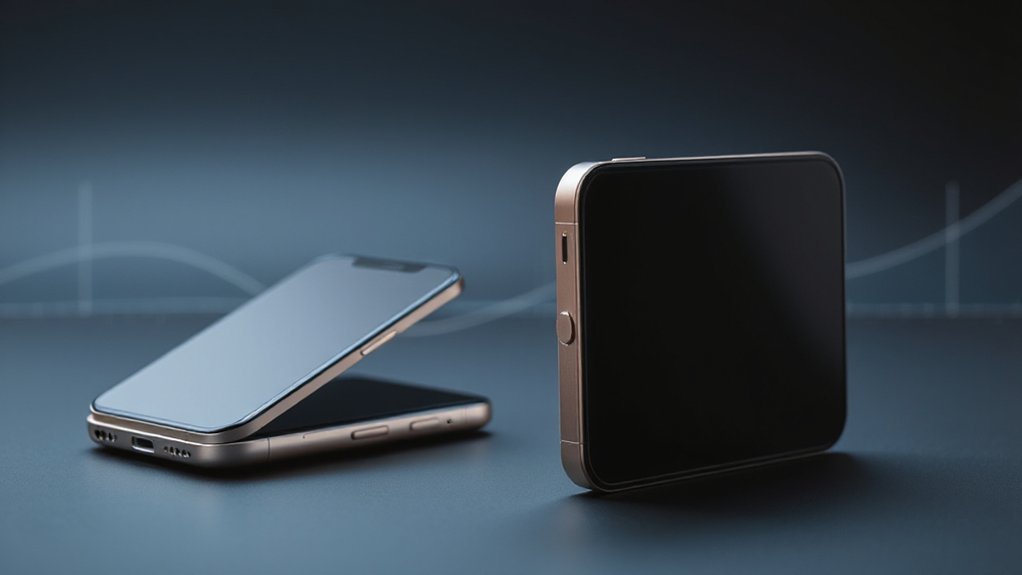
When Apple finally steps into the foldable phone arena in 2026, they’re doing it their way with the iPhone Fold—a book-style device that opens up to reveal a generous 7.6 to 7.8-inch inner display that’s wider than it is tall. We’re looking at something remarkably thin at 4.5mm when unfolded, breaking free from the bulky compromises we’ve seen elsewhere. The 5.3-inch outer screen keeps you connected when closed, while that single front camera sits quietly in the top-left corner without any Dynamic Island fuss. Apple’s betting big on their A20-class chip for serious performance and AI capabilities. Sure, display yield troubles might push the price around $2,500, but sometimes freedom from ordinary design comes at a premium.
iPhone Release Dates: New Biannual Launch Schedule Explained
We’re witnessing Apple shake up a tradition that’s been as reliable as autumn leaves falling – the single September iPhone launch we’ve grown to expect each year. Starting in 2026, they’re splitting their iPhone releases into two distinct seasons, with premium Pro models arriving in September and mainstream versions following in spring. This isn’t just reshuffling the deck; it’s Apple recognizing that different folks want different phones at different times of year.
Spring Launch Strategy
Come spring 2027, we’ll witness Apple’s most dramatic shift in iPhone timing since the very first model rolled out back in 2007. This bold move breaks free from the traditional September stranglehold, giving us choices when we want them most.
Apple’s spring strategy isn’t just about shaking things up—it’s about spreading their wings across the entire year:
- Revenue balance keeps cash flowing steadily instead of cramming everything into Q4
- Engineering freedom lets teams breathe without that brutal fall crunch
- Consumer choice means we’re not locked into one buying season
The iPhone 18 and 18e will lead this spring charge, while Pro models stick to their September roots. It’s a calculated risk that could reshape how we think about smartphone launches forever.
September Product Cycles
September’s getting a whole new meaning in Apple’s playbook, and it’s not what you’d expect. Instead of cramming everything into one massive fall launch, Apple’s betting on something smarter—they’re putting their premium horses first.
Starting 2026, September becomes the showcase for Apple’s finest: iPhone 18 Pro, iPhone 18 Pro Max, and that long-awaited book-style iPhone Fold we’ve all been curious about. These aren’t your everyday phones—we’re talking under-display Face ID, A20 chips with fancy WLCM packaging, and beefed-up RAM for AI wizardry.
Think of it as Apple’s opening act becoming the main event. They’re front-loading the good stuff, spreading out their engineering muscle, and giving premium buyers first dibs on tomorrow’s tech today.
iPhone 2026 Pricing: How New Tiers Affect Upgrade Decisions
While Apple’s always been keen on separating folks by their wallets, this new two-window release strategy takes that art form to a whole new level. We’re looking at a deliberate split that’ll reshape how we approach iPhone upgrades.
Apple’s wallet-splitting strategy just got an upgrade—and it’s about to change how we all think about iPhone timing.
The fall 2026 Pro lineup targets enthusiasts willing to pay premium prices for cutting-edge features like under-display Face ID and A20 chips. That rumored $2,500 iPhone Fold? It’s designed to make Pro models look reasonable by comparison.
Here’s how this affects your upgrade strategy:
- Premium buyers: Jump on fall releases for latest tech
- Budget-conscious folks: Wait six months for spring’s cheaper iPhone 18e variants
- Mainstream users: Consider mid-tier Air models over Pro premiums
This cadence deliberately pushes us toward immediate adoption or patient waiting—there’s less middle ground.
iPhone Integration: Coordinated Mac and iPad Launch Timeline
Since Apple’s decided to shake up their entire product rhythm, we’re witnessing something that’ll fundamentally change how their devices work together. Instead of scattered launches throughout the year, they’re creating two powerful waves that’ll let you upgrade your entire tech ecosystem in harmony.
Come early 2026, we’ll see M5 MacBook Airs and Pro models rolling out alongside iPad Air M4 updates and budget A19 iPads. This spring wave sets the stage for fall’s premium iPhone 18 Pro lineup and that rumored iPhone Fold. Meanwhile, WWDC in June becomes the bridge, revealing iOS 27 and macOS 27 features that’ll tie everything together.
This coordinated approach gives you real choice—upgrade everything at once or pick your moment strategically.
iPhone Production: What Supply Chain Changes Mean for Availability
Behind Apple’s bold timeline shuffle lies a manufacturing story that’ll touch every person hoping to snag these new devices. We’re watching Apple navigate treacherous waters with their twice-yearly release strategy, and frankly, it’s going to affect what you can actually buy and when.
The reality check hits hard with these supply chain shifts:
- Foldable iPhone displays are failing left and right during production, meaning Apple’s most exciting device will likely be scarcer than hen’s teeth at launch
- New A20 chips with 2nm technology create potential bottlenecks that could delay premium models
- Apple’s homegrown C1 modems require fresh production ramps, adding complexity to an already strained system
We’re looking at a world where patience becomes your best friend for securing Apple’s latest innovations.
Frequently Asked Questions
What Are the Best iPhone Features for Seniors?
We’d recommend Display & Text Size settings for bigger, bolder text that’s easier on aging eyes. Magnifier transforms your camera into a powerful magnifying glass—no need for separate gadgets cluttering your space. Voice Control and Siri let you operate hands-free when arthritis acts up. Emergency SOS provides peace of mind, while Medical ID makes sure first responders know your health information when it matters most.
So
We’re standing at the crossroads of Apple’s boldest transformation yet, watching seven game-changing updates unfold like dominoes across 2026. From the iPhone 17e’s spring debut with that beloved MagSafe revival to the revolutionary Fold that’ll rewrite mobile computing rules, we’re witnessing history in the making. Sure, supply hiccups might test our patience, but smart buyers who time their upgrades right will reap the sweetest rewards when this technological harvest ripens.