Tag: Night Sky

  • When Is the Geminid Meteor Shower 2026?

    When Is the Geminid Meteor Shower 2026?

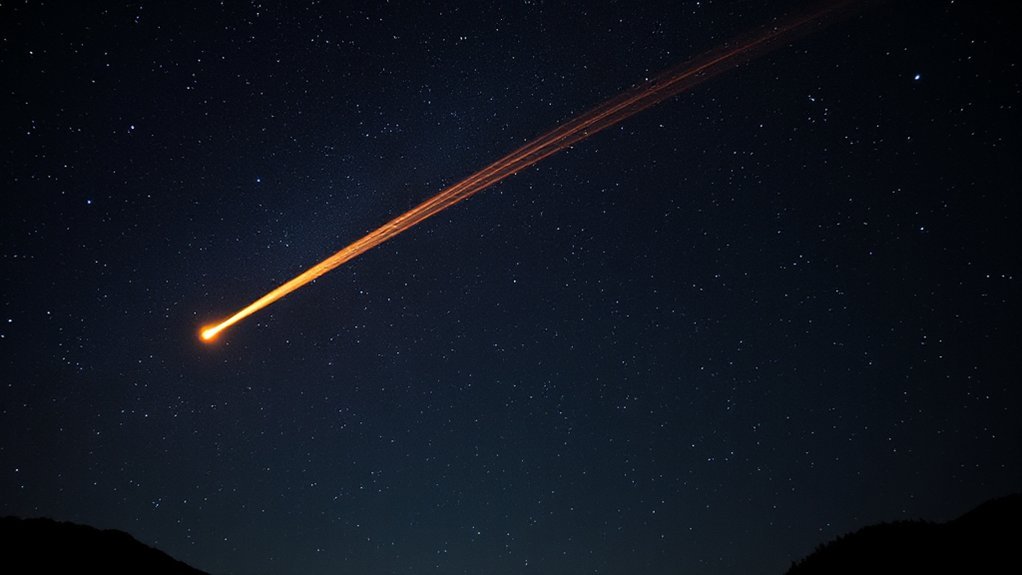
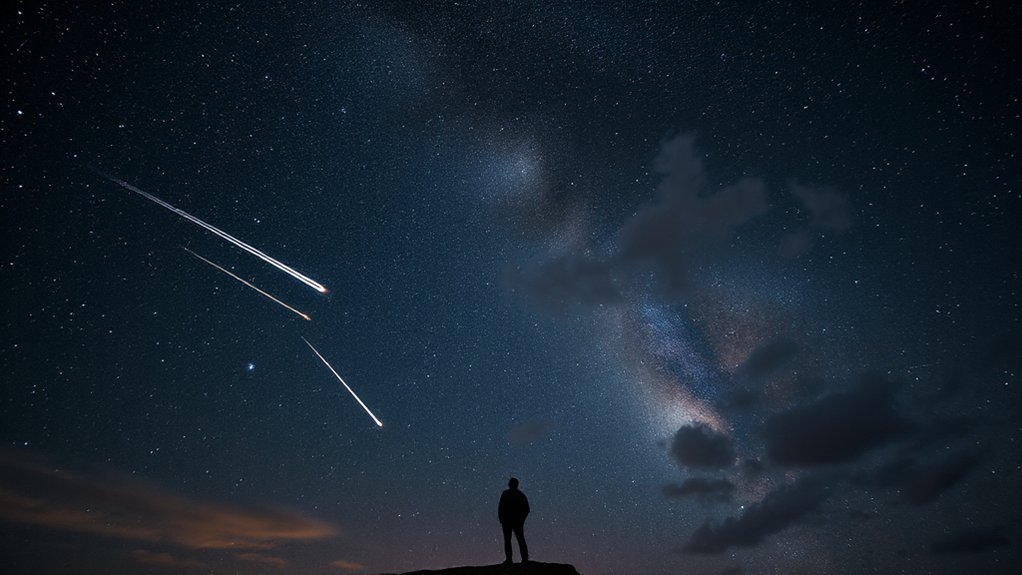
    Every December, the Geminid meteor shower lights up our skies, and 2026 is no exception. It’s predicted to peak on the night of December 13-14, but the best viewing usually happens a couple of nights around that, especially between midnight and 4 a.m., when the radiant is high. Want to catch a good show? Darkness, clear skies, and little moonlight are your friends—and yes, you’ll want to bundle up. Curious about the details that make this year’s event unique?

    Key Dates and Expected Peak Night

    geminids peak december 13 14

    As winter edges closer, the Geminid Meteor Shower is gearing up to dazzle us all next year, with its peak night falling around December 13-14, 2026.

    To catch the show, you’ll want to plan ahead. First, check your local time zone conversions—what’s prime viewing late at night here might differ elsewhere, so mark your calendar reminders accordingly.

    This year, the best viewing window is usually after midnight, when the meteor activity peaks, but seeing a handful earlier isn’t impossible.

    Keep in mind, the moon might cast a glow, dimming some meteors. So, it’s smart to set alarms or reminders a couple of nights before—so you don’t miss the early streaks.

    Put it in your schedule now! Clear nights and dark skies are key, but the exact night? That’s all about timing and preparation.

    Trust us, when those shooting stars start falling, you’ll be glad you did.

    Best Time to View the Meteor Shower

    midnight to four am

    The best time to view the Geminid Meteor Shower is long before dawn, typically between midnight and 4 a.m.

    That’s when the sky’s darkest, and meteor activity hits its peak.

    But wait—there’s more.

    Before that, we need to check out astronomical twilight, which is when the sky still has a hint of dawn, making viewing tricky.

    You want to be well past that, in the true dark hours.

    Also, keep an eye on the radiant altitude—the position of the Geminid’s radiant point in the sky. The higher it is, the better your chances of catching meteors.

    For the best view, find a spot away from city lights, ideally with a clear, open sky. Grab a blanket, relax, and look up.

    Patience is key—meteors are beautiful, but they don’t always follow schedules.

    Factors Affecting Visibility in 2026

    moon lights weather location

    Unlike in other years, a bunch of factors in 2026 could make or break your view of the Geminids. First up, the Moon phase is critical. If it’s a bright, full Moon, it’ll drown out many meteors—like trying to see fireflies during a floodlight. For the best show, look for nights when the Moon is minimal—new Moon or a thin crescent.

    Light pollution is another biggie. Bright city lights, streetlamps, and even security lights could make the meteor shower look dull or vanish entirely. Head out to a dark, rural spot, far from those glowing bulbs.

    Also, weather plays a role—cloud cover can spoil everything. In 2026, being strategic about your viewing location and timing is key.

    If you want to catch those fast-moving Geminids, plan ahead around the Moon phase, find the darkest spot around, and keep an eye on the forecast. Easy, right?

    Tips for Optimal Meteor Watching

    warm layers dark skies tripod

    Getting the best view of the Geminids starts with planning.

    First, dress warmly — layers, cozy socks, and, importantly, warm footwear — your feet will thank you later.

    Find a spot with a clear, dark sky, away from city lights.

    Bring a reclining chair or blanket to relax and look up comfortably.

    Stock your camera with the right settings: switch to manual mode, set a wide aperture (f/2.8 to f/4), and try a longer exposure — around 10-20 seconds.

    A tripod is a must to keep shots steady, especially when capturing meteors streaking across the sky.

    Patience is key. Don’t get discouraged if you don’t see a meteor immediately — they’re fleeting and unpredictable.

    Keep watching, stay cozy, and enjoy the cosmic show.

    Remember, the darker and quieter, the better.

    With a bit of prep, you’ll maximize your chances of catching memorable meteor moments.

    Historical Context and Significance

    phaethon linked geminid meteor shower

    Throughout history, meteors like the Geminids have fascinated humans and sparked countless stories, fears, and scientific discoveries.

    The Geminids are linked to Phaethon, an asteroid with a mysterious origin, believed to be a fragment of the larger parent body that created the meteor shower.

    This connection makes the Geminids unique—they’re not just space debris burning up in our atmosphere; they hint at a story about a rocky traveler crossing paths with Earth.

    Culturally, the Geminids hold significance because they’ve been observed for centuries, inspiring awe and wonder.

    Ancient civilizations watched the skies, attributing meaning to these streaks of light.

    Today, we see them as a spectacular celestial gift—a reminder of our place in the universe.

    And understanding their origin deepens our appreciation of the sky’s beauty, history, and scientific mystery.

    Conclusion

    So, mark your calendars for December 13–14, 2026, and plan to be outside around midnight to 4 a.m.—that’s prime time for the Geminids. Find a dark, clear spot, watch away from city lights, and give your eyes time to adjust. Dress warm—no one wants shivering while trying to catch a meteor streak! It’s an unforgettable sight, one worth staying up for. Get ready—this shower might just light up your night.

  • When Is the Perseid Meteor Shower 2026?

    When Is the Perseid Meteor Shower 2026?

    If you’re excited to catch the Perseid meteor shower in 2026, mark your calendar around August 12-13, when Earth crosses the densest part of Swift-Tuttle’s debris stream, promising the brightest show. But, of course, weather, moonlight, and your view location matter. Want to maximize your chances? Clear, dark skies away from city lights and a bit of patience late into the night are your best bets. Curious about the full schedule? Let’s get into the details.

    Expected Dates for the Perseid Peak in 2026

    perseid peak aug 12 13

    If you’re excited to catch the Perseid meteor shower at its absolute best in 2026, mark your calendar for mid to late August.

    The peak is expected around August 12 or 13, but keep in mind, this can vary slightly each year.

    Why? Because of the perihelion timing—the point when Earth is closest to the Sun.

    This influences the dust trail we cross, which directly impacts the outburst probability, or how spectacular the show could be.

    When Earth hits the densest parts of the debris stream, we see more meteors flashing across the sky.

    Sometimes, these outbursts hit the top of expectations, producing a flurry of shooting stars.

    So, in 2026, stay alert around this period.

    Dust, orbital mechanics, and perihelion timing all dance together to create an unforgettable display—assuming clear skies cooperate, of course!

    Ready to mark your calendar? We sure are!

    Optimal Viewing Times and Conditions

    new moon clear dark skies

    Ever wonder when the best time to catch the Perseid meteors is? Well, it all hinges on some key things: Moon phase and cloud cover.

    For ideal viewing, plan around a New Moon—when the sky is darkest and the meteors shine brightest. No moonlight drowning out the show, no bright skies to hide streaks of light. So, if your goal is the most spectacular display, check the moon’s cycle early.

    Next, clear skies are a must. Clouds? They’re the exes of the night sky—blocking your view.

    Keep an eye on weather forecasts, and aim for nights with minimal cloud cover, ideally with no haze or fog. Find a dark spot away from city lights, and get comfortable. Perseids are a gift that’s best appreciated with a clear, dark, moonless sky—trust us, patience pays off.

    Best Locations for Watching the Meteor Shower

    high dark unobstructed skies

    When it comes to catching the Perseid meteor shower, choosing the right spot makes all the difference.

    For stunning views, mountain overlooks are unbeatable. They offer wide, unobstructed skies and little light pollution—perfect for spotting those dazzling streaks. Find a high elevation, away from city glow, and bring a blanket. The silence up there? Peaceful and perfect for feeling connected to the cosmos.

    If you prefer a coast, coastal vantages are equally excellent. Beaches or cliffs give you a clear horizon, especially if you have the ocean to one side. Remember, the key is an open view—no trees or buildings breaking your line of sight.

    The goal? Pick a quiet, dark spot with minimal artificial lights. Whether mountain or coast, get comfy, and let the sky surprise you. After all, the meteors don’t follow a map—they’ll show up where the view is best.

    Tips to Enhance Your Meteor Shower Experience

    wide aperture dark adapted vision

    To truly make the most of the Perseid meteor shower, preparation is everything.

    First, set your camera with the right settings—use a wide aperture (f/2.8 or lower), a high ISO (800-1600), and a long exposure (20-30 seconds). This captures those fleeting streaks without overexposing the sky. Don’t forget to focus manually—stars don’t like auto-focus!

    Remember, your eyes need time to adapt; give yourself 20-30 minutes in darkness, avoid screens, and try to relax your eyes. This boosts night vision and makes meteors pop out more vividly.

    Find a comfortable position, bring warm layers, and keep a flashlight handy—red light helps preserve night vision.

    With good camera settings and eye adaptation, you’ll maximize your chances of catching spectacular moments, all while enjoying the show. After all, patience and preparation turn a good night into a great one.

    What Makes the Perseids Stand Out in the Night Sky

    swift tuttle s bright colorful meteors

    The Perseids have a magnetic pull that sets them apart from other meteor showers. Why? Because of their comet origin—these meteors are dust and debris left behind by Comet Swift-Tuttle, which crosses Earth’s path every summer.

    When Earth plows through this trail, we see bright streaks flash across the sky. And speaking of streaks, the Perseids shine with vibrant streak colors—white, yellow, even faint bluish tints.

    These colors? They tell us about the speed and composition of each meteor. Faster meteors burn hotter and create those stunning, glowing trails.

    Unlike other showers that produce dim, quick flashes, Perseids tend to be bright, slow-moving, and spectacular. They paint a vivid picture—an artist’s canvas of shooting stars. So next time you’re out, look higher in the sky, where these luminous streaks dance. It’s like witnessing a beautiful cosmic dust storm, just for us.

    Conclusion

    When 2026 rolls around, mark your calendar for August 12–13 — that’s when the Perseids will wow us with their brightest display. Grab a dark spot, stay patient, and look after midnight, when the sky’s darkest and the meteors are most active. Whether you’re under city lights or far from them, these shooting stars are worth the view. So, get comfortable, keep an eye out, and enjoy that celestial show — it’s a night to remember!