Tag: Spring travel

  • When Is the Best Time to Travel to Europe in 2026?

    When Is the Best Time to Travel to Europe in 2026?

    Worried you’ll pick the wrong week and miss the magic? You won’t—if you aim for Europe’s 2026 sweet spots: spring (April–June) and late September, when days are mild, trains run smooth, and prices don’t bite. Skip peak summer unless you book early—big festivals and Milano–Cortina crowds spike costs. For winter charm, think December markets or February skiing. I’ll show you how to time regions, flights, and deals—so you win, not wander.

    How 2026’s Major Events Will Shape Travel Demand

    europe 2026 travel surges

    Because big moments move people, 2026’s headline events will tug Europe’s crowds like a tide—and if you ride it, you win.

    You’ll feel it most around Milano–Cortina’s Winter Olympics in February: prices spike near ski hubs, trains sell out, and last‑minute plans punish you. Lean into Sports Tourism or step sideways; pick secondary towns, then hop in for the finals. Summer? The Tour de France sweeps roads and hotel blocks, while open‑air concerts stack weekends; I love the buzz, but I book beds first, feelings second. Early fall adds the Ryder Cup in Ireland and Oktoberfest in Munich, two magnets that bend everything—flights, fares, patience.

    Conference Tourism shapes the calendar too. Mobile World Congress powers Barcelona in late February, Gamescom swells Cologne in August, and Web Summit charges Lisbon in November. So ask: do you chase the surge, or surf its edges? Choose, then commit, then move. Bold.

    Spring (April–June): Shoulder-Season Sweet Spot

    mild spring blooming uncrowded

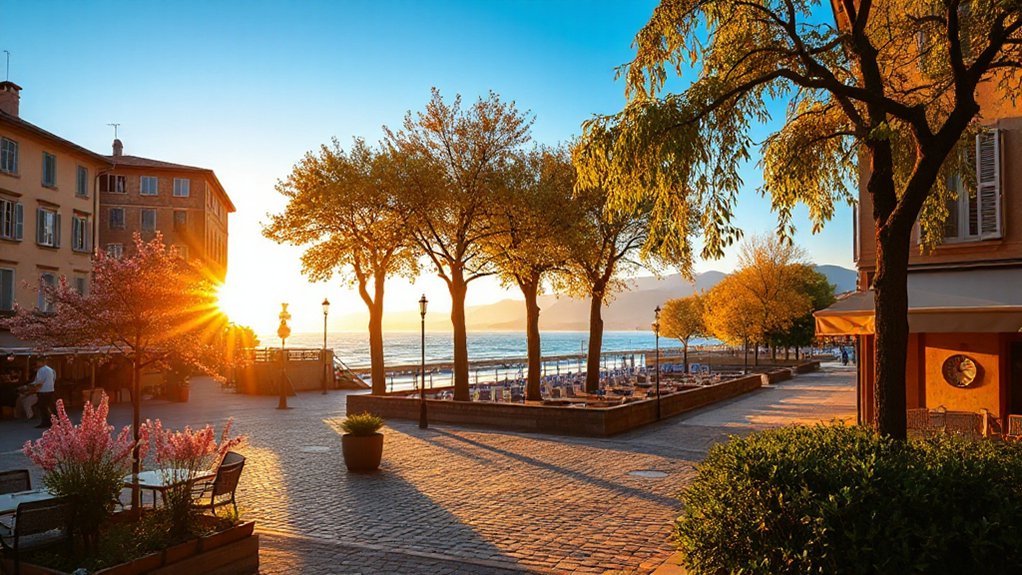
    Choose spring for Europe: you get mild days, blooming parks and vineyards, and fewer crowds you can actually breathe through. Want Paris in a light jacket, tulips along the canals, and room to linger at festivals without elbow wars? You’ll score better prices and more flexible bookings—trains open up, small hotels say yes, last-minute tweaks don’t punish you—and I’ll admit, I need that wiggle room too, so plan bold, move lightly, and let the shoulder season be your sweet spot.

    Mild Weather, Fewer Crowds

    When spring rolls into Europe—April through June—you hit the shoulder-season sweet spot: soft light, mild days, shorter lines, better prices. You move freely, not herded, not hurried. Temperatures sit in the comfortable middle, jacket in the morning, sleeves by noon, a scarf at night if you want. Take those serene mornings and wander; listen to shopkeepers pulling up shutters, breathe, linger. Queue times shrink, and so do hotel rates, so you stretch your days and your budget. Say yes to local interaction—chat with baristas, ask directions, trade smiles on trams. I’ll admit, I chase quiet like treasure. You can, too. Skip the crowds, claim your space, set your own pace, then keep going, because this season opens doors. Take the freedom you truly crave.

    Blooming Landscapes, Festivals

    You’ve got room to breathe—now watch Europe burst into color. Spring flips the switch: tulips blaze in Holland, wisteria drapes Italy, lavender wakes. You move lightly, layer a jacket, chase golden hours. Pack a small lens; I always forget mine, then sulk. Say yes to Floral Photography, yes to Pollinator Tours through orchards and urban hives. Music spills from plazas, and you follow it.

    Month Where Why it sings
    April Seville, Spain Orange blossoms, Feria rehearsals, guitars
    May Keukenhof, Netherlands Peak tulips, sunrise shoots, canals
    June Puglia, Italy Wildflowers, coastal hikes, long-aperture sunsets

    Move curious: pause for bees, kneel for dew, dance to drums. Take trains, detour to village fête, leave room for wonder. Freedom needs a route, but it also needs open edges.

    Better Prices, Flexible Bookings

    Before summer crowds surge, spring hands you leverage. Prices dip, rooms open, and you get choices—real choices. Set fare alerts, stalk deals, pounce when the flight drops. Book a cancellable rate, breathe, and watch the map widen. Airlines and hotels court you with promos, late checkout. You can mix spontaneity with safety: flexible tickets, cancellation insurance, and backups. I’ve scrapped plans mid-trip and landed better ones—because spring gives space. Act fast, but not frantic. Reserve trains, then shift times if weather pivots. Choose apartments with lenient policies, ask for a price match, smile when they say yes. Want freedom? Hold options, release what you don’t need, move light. The best part: you pay less, yet feel rich—rich in time, in wiggle room, in yes.

    Summer (July–August): Long Days, Peak Crowds

    rise rest book wander

    Though the sun lingers past 9 or even 10 p.m. and evenings feel dipped in gold, July and August in Europe demand a game plan and a little grit. You chase freedom: long light, salty skin, Late night dining that stretches into stories. You also face peak crowds, heat waves, sold-out trains. So move like water. Wake early, nap at noon, wander again at dusk. Book what matters, leave space for surprise. I’ll level with you—I’ve hit a wall in Rome at 2 p.m.; shade and gelato saved the day. You’ll thrive if you pace, hydrate, and pivot. Coastal swimming at sunrise, rooftop views at blue hour, tickets bought weeks ahead, patience packed like sunscreen. Chase joy, not checklists; dare to breathe between moments.

    Move Why it helps
    Dawn starts Cooler, emptier
    Midday break Heat and lines ease
    Prebook trains Seats secured
    Dusk sights Soft light, calmer streets

    Fall (September–October): Culture Without the Queues

    uncrowded museums harvest festivals

    Go in September or October, and you finally breathe—museum lines shrink, the guard smiles, and you can actually linger with the art. Ever wanted Rome’s galleries or Paris’s Orsay without the shuffle, without the shhh—I have, and I’ve stood there grinning like a goof. Then step outside to harvest festival season—grape crush in Tuscany, truffle fairs in Piedmont, cider in Normandy, pumpkins in Bavaria—and let the days stack up with tastings, music, and easy walks between golden vines, because culture feels bigger when you don’t have to queue for it.

    Shorter Museum Lines

    When the summer crowds thin and school’s back in session, you finally get breathing room in Europe’s big museums. You stroll in, shoulders down, eyes up. Lines shrink, guards smile, audio guides aren’t sold out. With lower museum capacity, you move at your pace—linger, loop back, breathe. Book timed tickets, then glide through entry automation; it’s quick, almost smug, and yes, you earned it. I’ll admit, I chase that hush between footsteps and paintings.

    Museum Move Why It Frees You
    Timed-entry slot Predictable flow, minimal queuing
    Side entrance Shorter security line, calmer vibe
    Smaller wing first Empty galleries, cleaner sightlines
    Late-afternoon pass Fewer tours, softer light

    Go weekdays, mid-morning. Skip blockbuster openings. Stand close, then step back. Leave lighter, braver. One more quiet victory.

    Harvest Festival Season

    By late September, Europe exhales, and you step into its sweetest season: harvest. You trade queues for open squares, slow sunsets, and music you can actually hear. Follow vineyard lanes, join grape stomping, sip new wine, laugh with locals. Wander markets stacked with figs, chestnuts, and artisan crafts. I’ll admit, I chase this window every year, because it lets you breathe and belong.

    Book small towns, not capitals. Ride bikes through gold vineyards. Learn a toast, learn a dance. Need proof? Truffle fairs in Italy, cider feasts in Spain, mellow Oktoberfest cousins across Bavaria. Pack layers, boots, a hungry heart. Say yes to the long table, yes to the last song, yes to the road that isn’t crowded. Freedom tastes ripe now. For you.

    Winter (November–March): Cozy Cities, Christmas Markets, and Ski Season

    lantern lit markets and slopes

    Though the days grow short, winter in Europe wraps you in a kind of magic you can actually feel. You wander lantern-lit streets, sip spiced wine, and let Christmas markets tug you toward handmade gifts and hot pretzels. Book a weekend in a cozy city—Prague, Vienna, Tallinn—and give yourself permission to move slow. Chase the hush: museums at twilight, cafés with fogged windows, thermal baths steaming under cold air. If you crave motion, point your boots to the slopes; fresh corduroy, cheap weekday lifts, legs burning, grin growing. And at night, look up—aurora viewing can turn a quiet trip into a life-marking moment.

    Here’s the truth: I plan winter like a rebel. You pick the pocket of time, you dodge crowds, you claim silence. Pack layers, wool socks, a flexible plan. Sleep early, wake for blue hour, repeat. You don’t need perfect weather. You need permission to go.

    Regional Timing Tips: Mediterranean, Alps, and Northern Europe

    Because each corner of Europe runs on its own clock, you time your trip to match the rhythm, not the hype. For the Mediterranean, aim for shoulder months—April–May and late September—when seas are swimmable, breezes forgiving, and ferry schedules reliable. Wake early, nap shamelessly, dine late; you’ll flow with the coast. I’ve misread siesta hours before—learn from me.

    For the Alps, chase snow in February, then pivot to June–July for wildflowers, long hikes, and steady lifts. Start trails at dawn, dodge afternoon storms, pack layers you’ll actually wear. You want sun, shade, and a backup plan.

    Northern Europe rewards light-chasers. Go May–August for endless evenings, ferries to islands, and festivals that spill into streets; go September for crisp air and mushrooms under birch. Practice small hellos—takk, merci, grazie—simple language tips spark smiles. Move slow, linger longer, follow weather windows. And when clouds roll in, you roll onward, unafraid.

    Prices, Flights, and Booking Windows for the Best Value

    You timed the weather; now time the money. Book transatlantic flights 6–8 months out for summer, 3–5 months for spring and fall, and snag winter deals 1–3 months ahead. Set fare alerts today, then let prices come to you while you live your life. I do this on sleepy Mondays, coffee in hand, dreaming big.

    Travel flexible. Fly midweek, depart from alternate airports, and mix carriers; freedom loves options. Build a one-way puzzle if it’s cheaper. Check low-cost lines to position, then hop the big flight with points.

    Use award strategies early: transfer bonuses, off-peak charts, and partner sweet spots. Hold seats when you can, waitlist when you must, pounce when it drops. And always price-track hotels; many rates slide quietly.

    Hedge: book a refundable pick, stash a backup in points, and set a cancel-reminder. The win isn’t just saving money—it’s buying yourself more time and choice today.

  • When Is the Cherry Blossom Season in 2026?

    When Is the Cherry Blossom Season in 2026?

    You want the petals, not the empty branches. In 2026, Tokyo pops around Mar 27–Apr 5, Kyoto soon after; Seoul early April; DC’s Tidal Basin about Mar 27–Apr 2; Jeju and Busan mid‑March; Sapporo late April; Seattle and Paris mid‑March to mid‑April. Weather can nudge everything. Plan smart, stay flexible, watch trackers—I obsess over them, too. Want the safest window—and backup moves—so you don’t miss the magic?

    How 2026 Weather Could Shift Bloom Dates

    flexible cherry blossom timing

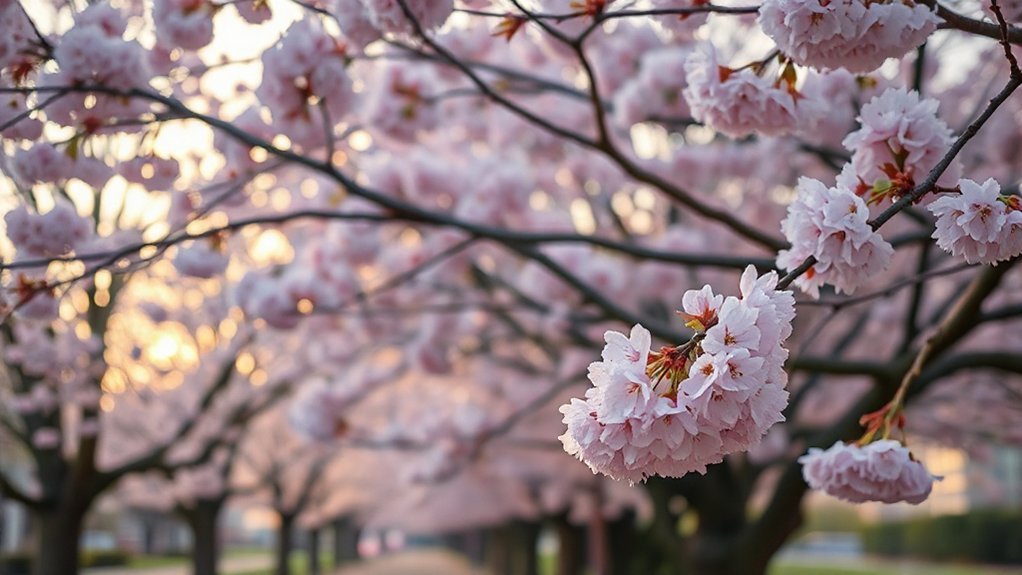
    Even if winter feels endless, 2026’s weather could flip the script on cherry blossom timing—and your plans. You watch forecasts, you crave spontaneity, and both can live together. If the Arctic Oscillation swings positive, warmer air rushes in and buds wake early; if it goes negative, cold snaps linger, and petals hesitate. Soil Moisture matters, too—parched roots stall, well-fed trees surge. I’ve chased blossoms before, misread the cues, then learned to pivot fast. Do the same: build a window, not a date, book flex tickets, favor cancel-anytime stays. Track late frosts, sunny streaks, and that first 60-degree run. Ask yourself: could you leave two days sooner, or stay three days longer? Pack layers, prep backups, keep your spirit light. Freedom loves options, and so do blossoms. When warmth stacks, they rush; when storms stack, they wait. You won’t control the clock, but you can own your move, fully.

    Japan: Tokyo, Kyoto, and Beyond—Typical Peak Windows

    cherry blossom peak windows

    In late March through early April, Japan lights up, and you can ride the wave if you know the usual windows: Tokyo often peaks around March 27 to April 5, Kyoto and Osaka slide a touch later into April 1 to 10, Hiroshima and Fukuoka lean late March to early April, while Sendai and Nagano push into mid-April, and Sapporo saves its show for late April to early May.

    Plan boldly, then pivot lightly when buds surprise you. Aim for three stops, hop trains, chase blue hours. In Tokyo, pair riverside petals with hanami cuisine—onigiri, sweet dango, a can of tea. In Kyoto, follow temple lanes, listen for old poetic traditions whispering under gates. Give yourself buffer days; blossoms don’t follow your spreadsheet, and that’s the thrill. Pack layers, book dawn slots, breathe. When it snows pink, you’ll stand there, grinning—I always do—and let time loosen its grip.

    late march early april

    Set your sights on a late March to early April 2026 peak at the Tidal Basin—most likely March 27–April 2—then stay flexible, because a warm surge can hurry the bloom and a cold snap can stall it. History says you should expect earlier peaks than decades past; the long-term average sits around March 31, with outliers from March 15 (1990) to April 18 (1958), and recent years nudging earlier as springs run warmer. So watch the forecast like a friend—temperatures, late frosts, wind, and rain matter—and build a 2–3 day buffer, because you’ll thank yourself later (I still set two alarms, and yes, I’ve sprinted for sunrise).

    2026 Peak Bloom Window

    By late March, your window opens: the Tidal Basin’s Yoshino cherries rush toward peak bloom—the moment about 70% of the blossoms pop—then hold for just 4 to 7 fragile days. You’ve got a small runway, so plan bold, keep it flexible. Warm spells speed it up; cold snaps pause the show. Wind and rain? They can end it early. Cultivar variation nudges timing tree by tree, and Tree age matters too—older Yoshinos often peak a whisper earlier, younger ones linger. So watch the forecast, check live cams, pivot fast. Go at sunrise, breathe, wander. Want a tactic? Aim for the front edge, then return within two days. I’ll say it plain: give yourself freedom, not FOMO, because this window rewards the nimble and brave.

    You planned for a tight 2026 window; now zoom out to the long view: the Tidal Basin usually hits peak around March 31, and it’s been creeping earlier over time. Look back, then claim your flexibility. Archival records from the 1920s to today chart a slow shift, a march from early April toward late March, with outliers that keep you humble. Cultural narratives echo it: postcards, parade dates, your grandmother’s stories—each nudging the calendar a little. I’ll be honest, I used to wait for official whispers; now I build a buffer, two, even three days, and breathe. Do the same. Plan for late March, prepare for surprises, protect your freedom to improvise. Trends guide you, but you choose the moment you show up. Boldly.

    Weather Pattern Influences

    In late winter, the trees listen to the weather more than the calendar. You watch the Tidal Basin and feel that truth: mild spells wake buds, hard snaps slam the brakes. If the Jet Stream dips south, cold lingers, and bloom drifts later. When it retreats and ridges build, warmth stacks day after day, and peak can jump early. Storm tracks matter too. Atmospheric Rivers rarely reach DC, but moisture from strong coastal systems soaks roots, then wind strips petals fast. So you plan, but you flex. You check degree days, you check the 10-day, you breathe. I do the same, nervy and hopeful. Aim for late March, hedge into early April, and give yourself options. Freedom loves a backup. Pack layers, move lightly.

    South Korea: Seoul and Southern Cities

    follow korea s blooming arc

    As winter loosens its grip, South Korea blushes from south to north, and you can ride that pink wave straight into your best week of 2026. Start south: Jeju and Busan flare first, usually mid to late March; then Daegu and Gyeongju, then Seoul in early April. If you chase freedom, move with the bloom, sleep light, change plans fast. Book Hanok stays for slow mornings; join Temple ceremonies at dusk. I’ll say it plainly: you deserve a season that meets you where you are.

    Place Likely Peak 2026 Why you’ll love it
    Busan Mar 25–31 Oncheoncheon paths, beach sunsets, street food victories
    Gyeongju Mar 29–Apr 3 Silla tombs glowing, bike loops, soft golden light
    Seoul Apr 4–10 Hangang nights, palace petals, café windows opening

    Hold your dates loosely, watch forecasts daily, pivot when bloom maps shift. Ask for late checkout, linger under lamps, breathe. Spring moves fast.

    Europe: Paris, Bonn, and Other Hotspots

    chase blooms travel light

    Though maps make it look tidy, Europe’s blossom season refuses to obey neat lines, and that’s your cue to travel light and move when the light turns pink. In 2026, chase warmth, not dates, and you’ll catch the show.

    Start in Paris: Parc de Sceaux often peaks in early to mid‑April, with lawns glowing under long allées; Jardin des Plantes and the Champ de Mars pop earlier. Slip north to Bonn, where Heerstraße forms that famous tunnel, usually mid‑April, and the urban festivals bloom the moment petals do. If a cold snap lingers, pivot west or wait a week—I’ve mis-timed it before, and learned to pivot fast, smile faster. London’s Greenwich Park and Kew, proud of their garden heritage, follow early to late April; Amsterdam’s Bloesempark and Stockholm’s Kungsträdgården land late April. Pack layers, book flex fares, set alerts, move. You want freedom, and blossoms reward the mover.

    West Coast USA: Seattle, Vancouver, and San Francisco

    Mark your calendar for West Coast peaks: Seattle late March to early April, Vancouver late March into mid-April, San Francisco mid-March to early April—give or take a fickle week. Start at Seattle’s UW Quad and Washington Park Arboretum; wander Vancouver’s Queen Elizabeth Park, VanDusen, and Stanley Park; linger in San Francisco’s Japantown Peace Plaza and the Japanese Tea Garden in Golden Gate Park. You’ve got options, you’ve got time, so plan a simple loop, watch the forecasts, and—trust me, I over-plan then forget snacks—ask yourself what you want most: big campus canopies, garden serenity, or street-festival joy, then go get it.

    Peak Bloom Dates

    By late March, the West Coast turns pink in waves: expect Seattle and Vancouver to crest together, while San Francisco blooms a beat earlier. You’re aiming for the sweet spot, not the first bud, but the surge. Weather swings, genetic variation, and cultivar differences nudge the calendar, so stay flexible and ready to move.

    City Likely Peak (2026) Confidence
    San Francisco Mar 10–18 Medium
    Seattle Mar 25–31 Medium-High
    Vancouver Mar 26–Apr 2 Medium-High

    Watch temp trends, five to seven warm days speed petals; cold snaps pause the show. Set alerts, clear a morning, and go when forecasts shout “go now.” I’ll admit, I’ve chased blossoms and missed, then learned: release the schedule, catch the moment. Freedom lives in quick decisions, light bags, open eyes.

    Best Viewing Spots

    You’ve got your timing; now put your feet where the petals actually fall. In Seattle, start at the UW Quad—arches of pale pink, laughter, cameras—then slip to the Washington Park Arboretum and Seward Park for quieter loops. Chase View Corridors from Kerry Park and Jefferson Park; blossoms frame skyline and water.

    Hop to Vancouver. Wander West 5 22nd Avenue and Queen Elizabeth Park, then sink into VanDusen and Stanley Park’s Hidden Gardens—I still get goosebumps, every time. Feel free to linger; you’re not late, you’re alive.

    San Francisco calls next: the Japanese Tea Garden glows at golden hour, while the Presidio’s Main Parade and Lovers’ Lane line up petals with the bridge. Trust your feet, chase light, keep moving toward joy. Right now, boldly.

    Planning Strategies to Maximize Your Odds

    While the blooms don’t follow anyone’s calendar, you can stack the odds in your favor. Build a Flexible Itinerary that bends, not breaks. Book changeable fares, keep options open. Choose Accommodation Flexibility—free cancellation, a held extra night, two neighborhoods on standby. Arrive a bit early, leave a touch late; give spring space to surprise you. I plan like a river, not a brick.

    Scene Feeling
    Dawn light on river Petal breeze on cheeks
    Lanterns at dusk Laughter under trees

    Aim for weekdays, not weekends. Split nights across two cities; chase microclimates. Wake before sunrise, linger past twilight, double your chances in one day. Pack light layers, quick-dry shoes, a small umbrella—hope for blue, prepare for gray. Pick central bases near transit, walk, wander, pivot. Build backups you’ll love: museums, markets, noodle counters. If peak slides, you won’t. And if it hits, you’re ready to sprint toward it, grinning.

    Tools and Trackers to Monitor Bloom Progress

    Because blossoms sprint, not stroll, you need a dashboard, not a guess. Use national bloom trackers that map bud, first bloom, and peak by city; set alerts so you move when the map turns pink. Check park service updates, hour by hour, when fronts shift fast. Pair that with satellite monitoring—broad, bias-resistant, great for spotting early heat waves nudging trees ahead.

    Follow local botanists on social, then ground-truth with citizen reports from runners, dog walkers, and bus-stop poets. I trust that messy chorus more than glossy brochures. Create a quick stack: one app for forecasts, one spreadsheet for target windows, one note for backup towns. Freedom loves options.

    Practice the loop: scan, decide, pivot. Screenshot trends, mark dates, book cancellable beds, then breathe. Miss an opening? Don’t sulk; reset the plan and chase the next wave. Blossoms don’t wait. You don’t either. And you’ll feel gloriously alive today.

    Photography and Etiquette Tips for Blossom Season

    Though the petals seem weightless, treat them like treasure as you frame the shot. Move lightly, breathe slower, and let curiosity lead you off the paved path, without trampling roots or blankets. Use Silent shooting so your camera disappears; you’ll feel freer, and others will, too. Practice Flash etiquette: turn it off near crowds and wildlife, save it for portraits with consent. Step closer, then closer again; fill the frame with bloom, bark, and glint of morning dew. Shoot low for drama, high for patterns, sideways for surprise. Ask before stepping in front of someone’s lens—I forget sometimes, then apologize fast. Keep dogs leashed, tripods tidy, snacks packed out. Wait your turn, then take it boldly. Golden hour loves blossoms, but overcast skies gift soft skin and gentle color. And when wind stirs the trees, don’t curse the blur; ride it, pan with it, make motion your signature.