We all know Daylight Saving Time messes with our clocks, but have you wondered exactly when it ends in 2026? Well, most of us will ‘fall back’ on Sunday, November 1, when clocks turn back an hour at 2 a.m., giving us more evening light—except for some regions like most of Arizona. Curious how this shift impacts your schedule or what to do to prepare? Stick around—there’s more to this change than just resetting numbers.
The Exact Date of the End of Daylight Saving Time in 2026
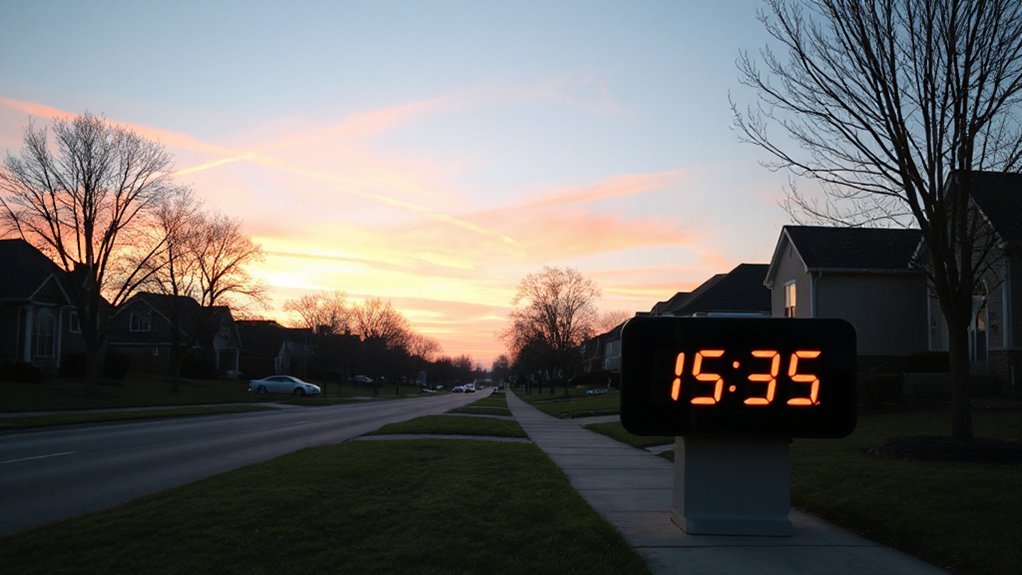
So, let’s mark our calendars and get this straight: in 2026, daylight saving time ends on Sunday, November 1st.
That date isn’t just pulled from thin air; it’s based on thorough date verification and always confirmed through official notice from authorities.
It’s easy to forget the exact day, especially with busy schedules, but knowing the official end date helps us plan ahead—like changing clocks or adjusting schedules.
This date is essential for everyone, from employers to schools, and even those who just want to get a good night’s sleep.
Governments typically release the official notice well in advance, giving us time to prepare.
So, don’t rely on whispers or guesses—trust the verified official sources.
Remember, once November 1st hits, the clocks will fall back, and we gain that extra hour of sleep.
Still, marking that date now keeps surprises at bay.
Regional Variations in Daylight Saving Time Schedule

While the end date for daylight saving time in 2026 is the same nationwide—November 1st—how it plays out can vary quite a bit depending on where you are.
See, policy differences across states and regions create some quirks. Some areas, like most of Arizona, don’t bother with daylight saving at all, ignoring the clock change altogether. Meanwhile, parts of Indiana have shifted between states or counties adopting different rules, leading to border inconsistencies. It’s not just rules; sometimes, local policies override state guidelines. And, of course, neighboring countries like Canada and Mexico have their own schedules, which adds to the confusion if you’re living nearby.
What does this mean for you? Check your local government or time zone authority—double-check those borders, and don’t assume everyone is on the same page. Knowing regional differences helps you avoid surprises when the clocks fall back.
How to Prepare for the Time Change in 2026

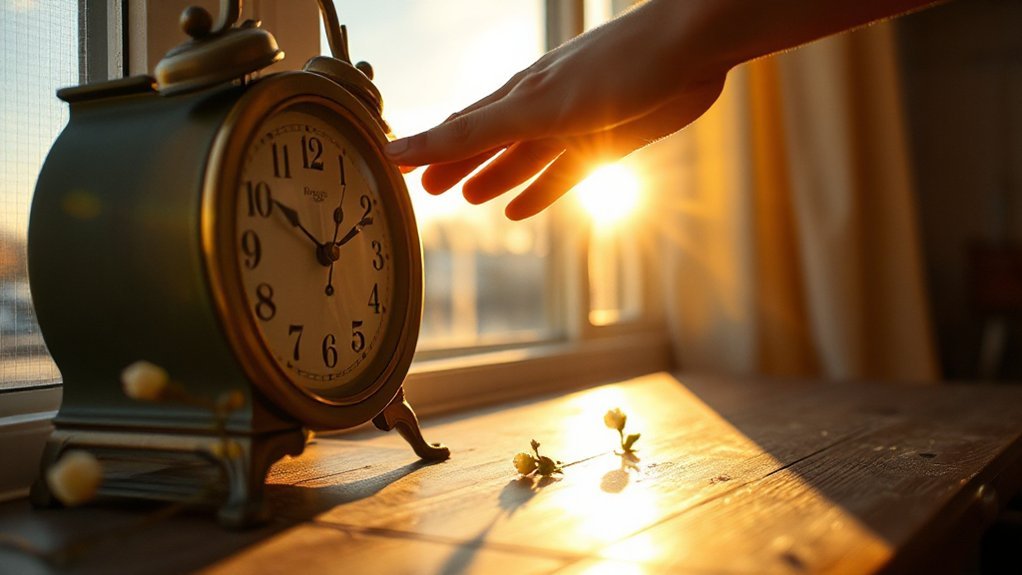


Getting ready for the time change in 2026 means taking a few simple but important steps ahead of November 1st.
First, we should think about Lighting Adjustment—start dimming your lights in the evening a few days beforehand. This helps your body get used to the shift, especially since it’s natural to feel a bit off.
Next, work on your Alarm Update—double-check that your clocks and devices are set correctly, especially if you still use manual clocks. Some smart devices update automatically, but don’t assume—they’re often slow or need a tap.
It’s easy to forget, and a missed alarm can throw your whole day off. So, set a reminder or manually update clocks the night before. Simple steps like these make the adjustment smoother, reducing confusion and stress. Remember, a little prep goes a long way. Staying organized helps you avoid chaos on that Monday morning!
Effects of the End of Daylight Saving Time on Daily Life

When Daylight Saving Time ends, we all notice the ripple effects on our daily routines and mood. Suddenly, our sleep quality shifts, sometimes making us groggy, irritable, or just plain tired. Our bodies need time to adapt to losing that extra hour of daylight in the evening. This can shake up mental health too—more stress, less motivation, and even feelings of sadness or fatigue.
But it’s not all doom and gloom. We can take steps to ease the adjustment: stick to a regular sleep schedule, get plenty of sunlight during the day, and avoid screens close to bedtime.
Small habits, like relaxing routines or a walk outside, can boost our mood and help us sleep better. Remember, it’s normal to feel a bit out of sync at first. By listening to our bodies and making smart adjustments, we’ll find our groove faster—and keep our mental health strong.
Historical Trends and Future Predictions for Daylight Saving Time

Looking back through the years, daylight saving time has always been a surprisingly tricky dance between science, tradition, and politics.
Legislative shifts often shape when the time changes, but public opinion swings just as much.
For decades, many folks have pushed back against losing sleep twice a year, arguing it messes with health and productivity.
Meanwhile, some politicians see daylight saving as a way to boost energy savings or reduce traffic accidents.
In recent years, we’ve seen more states push for permanent standard time or daylight saving, reflecting changing attitudes.
Experts predict ongoing debates, especially as we face climate concerns and modern technology that keeps us connected 24/7.
Future? Expect more legislative action, more public voice, and maybe, just maybe, a shake-up in how we structure our hours—less tradition, more practicality.
daylight saving time’s story isn’t over; it’s evolving with us, step by step.
Conclusion
So, mark your calendars for November 1, 2026—when we’ll set clocks back an hour. It’s a small change that can shake up routines, so check those manual clocks and devices now. Prepare your body—and your sleep schedule—by adjusting gradually if you can. We’ve got this! Embrace the earlier evenings, enjoy the cozy feel, and remember, spring’ll come again. Until then, enjoy that extra hour of sleep—honestly, it’s a gift.