Hurricane season doesn’t start on the same day everywhere in 2026. You’ll see the Atlantic run Jun 1–Nov 30, peaking early September; the Eastern Pacific kicks off May 15; the Central Pacific mirrors the Atlantic; the Western North Pacific hums almost year‑round; south, it’s roughly Nov–Apr. So what do you actually do with that? I used to shrug, then scramble. You prioritize timing, supplies, and insurance—I’ll show you how, and when it really counts.
Official 2026 Hurricane Season Dates by Basin
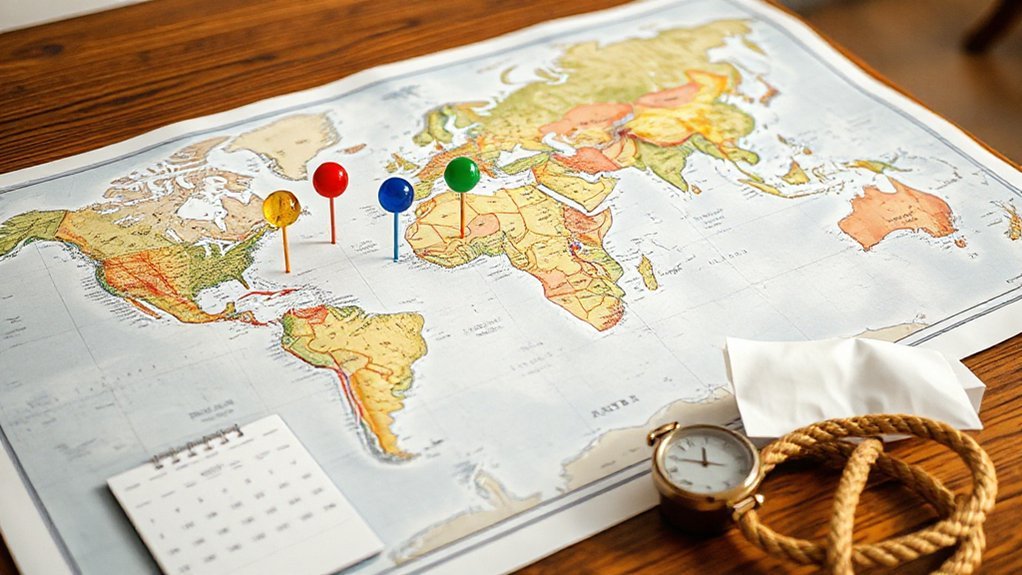
To anchor your planning, circle the windows that matter: in 2026, the Atlantic runs June 1 to November 30; the Eastern Pacific opens earlier, May 15 to November 30; the Central Pacific mirrors the Atlantic, June 1 to November 30. These Basin Calendars set your baseline so you can book trips, prep gear, and still chase the wide-open days you love. I’ve blown this before—booked boldly, then scrambled—so I’m nudging you.
Beyond the Americas, remember Regional Exceptions. The Western North Pacific doesn’t shut down; it’s practically year-round with busier stretches, so you plan with flexible margins. Around Australia and the South Pacific, expect a formal season from November 1 to April 30, while the Southwest Indian favors November to April. The North Indian Ocean stirs April through December, with quieter pockets. Keep the dates handy, keep your choices free, and build a plan that lets you move.
Peak Activity: When Storms Are Most Likely

In the heart of the season, storms stack up fast—so you plan for the peaks, not just the dates. You watch the monthly peaks like mile markers: in the Atlantic, activity ramps in August, crests around September 10, and stays fierce into early October. The Eastern Pacific swells from late June through September, with a late-summer crest. The Central Pacific follows suit, quieter, but spiky. The Western Pacific? It never sleeps, but September and October hit hardest.
What Early Outlooks May Say for 2026

Although the headlines will shout, you’ll want the quiet details first: early outlooks for 2026 will zero in on sea-surface temperatures across the Atlantic’s Main Development Region, any flip in ENSO (El Niño easing, La Niña lurking), and the tug-of-war between wind shear and moisture. You watch for warm pools stretching west, for Saharan dust pulses, for shear that drops just when waves roll off Africa. That’s the story under the noise, and you deserve it.
Model predictions will sketch ranges—storms, hurricanes, majors—and yes, they’ll wobble. Seasonal analogs will offer memory: years with similar SSTs, similar ENSO swings, similar shear profiles. Do they guarantee anything? No. Do they give you a lane to think in, to move in, to breathe in? I’ll admit, I check them, curious. Read them, question them. Favor patterns over hype, signals over spikes, trend over headline. Hold your options open; hold your ground.
Preparedness Steps to Take Now

Because storms don’t wait, you shouldn’t either. Start now with simple moves that protect your freedom to choose, to leave, to return. Map your Evacuation Routes from home, work, and school; drive them at dusk, note flood-prone dips, name a meetup spot. Strengthen what you own: focus on Home Fortification, not perfection—anchor patio furniture, seal gaps, trim limbs away from eaves. And practice, because practice builds calm.
- Walk your block, spot loose signs and clogged drains, then report or clear what you safely can.
- Photograph each room, back up files and contacts, and share access with a trusted buddy.
- Run a family drill: shoes by the door, car facing out, pets crated, doors locked.
Set up a neighbor check-in chain; freedom grows when we’ve got each other’s backs. I get it—I put this off too, then felt lighter the minute I moved. You’ve got this.
Insurance, Supplies, and Timeline to Get Ready
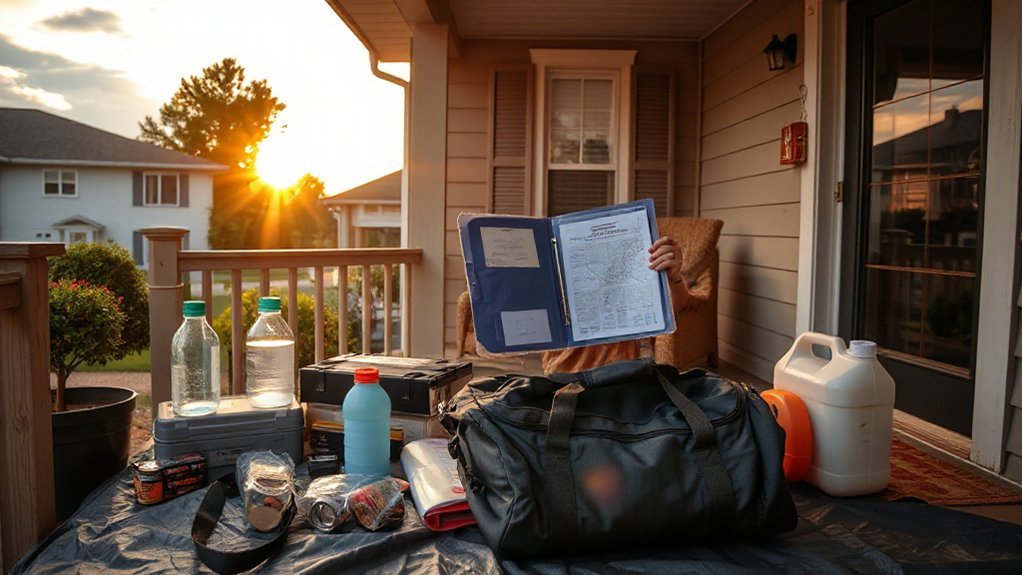

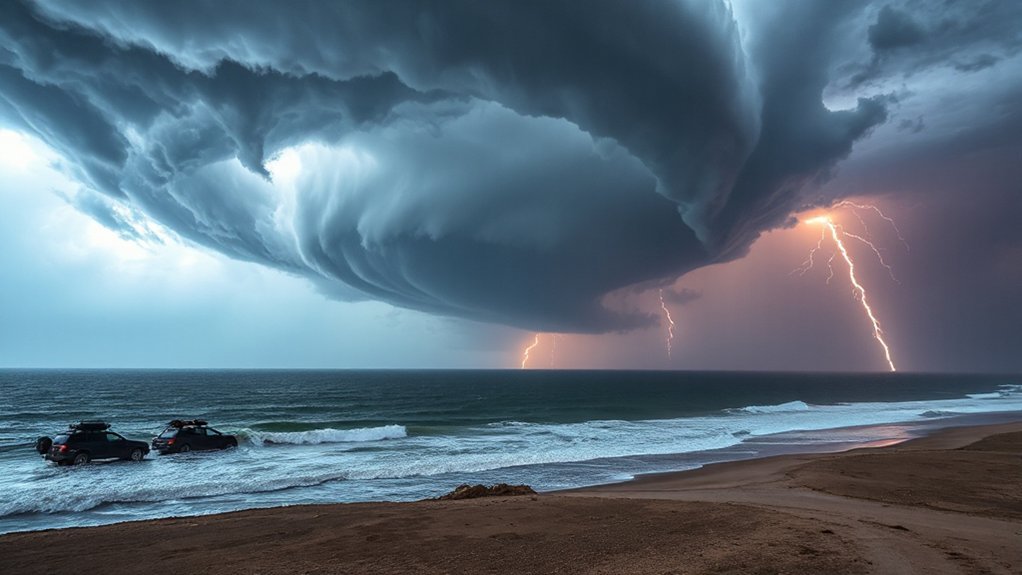
Before the winds spool up, you’ll lock down three things: insurance, supplies, and a simple timeline.
Before winds spool up, lock down three things: insurance, supplies, a simple timeline.
Call your agent, raise questions, and confirm coverage for wind, flood, and temporary housing.
Document valuables now, store photos in the cloud, and learn the claims process before chaos hits.
Build a two-week kit: water, shelf-stable food, meds, pet needs, chargers, cash, and copies.
Practice supply rotation so nothing goes stale, and keep gas tanks half full.
Set a timeline by month: May tunes your kit, June trims trees, July updates contacts, August drills.
When watches post, you secure shutters, elevate gear, back up data, then rest.
You’re not overreacting; you’re claiming space, time, and choice.
I still get nervous, but action steadies the hands and widens your freedom.
Move early, move lightly, move together, because your life is the plan, and the plan protects it.
You’ve got this, and I’m here.