Nearly 2 billion people mark Ramadan each year, and in 2026 you’ll likely start fasting at dawn on Wednesday, Feb 18, after the crescent on Tuesday night, Feb 17. Expect it to wrap after sunset Thu, Mar 19, with Eid Friday, Mar 20—but moon‑sighting and time zones can shift it. So plan, prep, double-check your local mosque—I do. Want a calm start, a strong finish, a clear plan? Here’s what to watch.
Expected Start and End Dates for Ramadan 2026
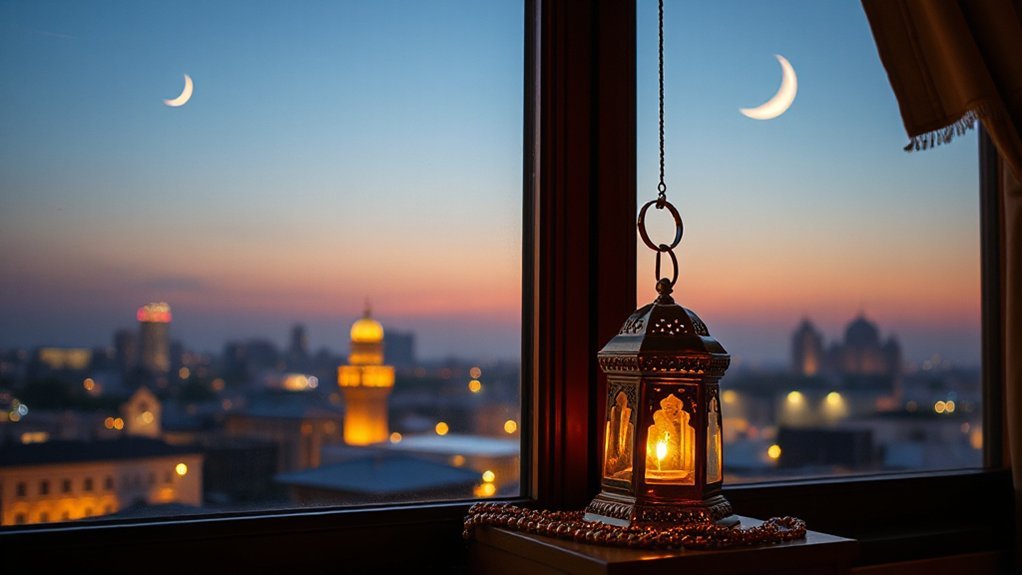
As you look ahead to 2026, circle these likely dates: Ramadan is expected to begin on the evening of Tuesday, February 17, with the first day of fasting on Wednesday, February 18, and it should end on the evening of Thursday, March 19, making Eid al-Fitr likely on Friday, March 20. Use these calendar projections to claim your time, not let it claim you. You can set work rhythms, plan travel, and map meals that fuel you, not drain you. I’ll be honest, I love a plan, even if life loves surprises.
Start simple: block evenings for prayer and rest, mark weekends for family, pencil in community events. Build buffers, breathing room. For event scheduling, talk early with your team, your school, coach. Ask for flexibility, offer solutions, write it down. You’re choosing intention, choosing space, choosing joy. And when those dates arrive, you’ll feel ready, grounded, free.
Moon-Sighting and Why Dates May Vary


Those dates are a strong guide, but they’re not a guarantee. You begin Ramadan when the first slim crescent appears after the new moon, and that sight can be tricky. Clouds meddle, low horizons hide, and human eyesight varies. I’ll admit, I’ve squinted at that sky too, hopeful and a little stubborn. That’s why communities lean on both historical practices and scientific methods. You honor a living tradition, yet you also use precise data to stay grounded. Think balance, not battle. Trust careful observation, welcome calculation, and allow a day’s flex so your heart stays calm, ready. You don’t lose freedom by waiting; you protect it—choosing intention over hurry, presence over pressure. Want snapshot of approaches?
| Approach | What it means |
|---|---|
| Naked-eye report | Trained observers confirm a visible crescent |
| Optical aid | Telescopes or binoculars assist sighting |
| Scientific methods | Calculations predict visibility windows |
| Hybrid practice | Community blends reports with data |
Regional Differences and Time Zone Considerations

Even though the moon is one, your start date can shift by a day depending on where you live and when the sun sets on your horizon. East to west, time zones tug the calendar, so you might begin fasting while your friends still wait, or you might wait while they begin. Follow your local mosque or trusted council; that choice gives you clarity, not chains. Check Prayer Timing for your city, because fajr and maghrib slide with latitude and daylight, and your energy, your meals, your commute all move with them. I’ve blown it before, forgetting the clock changed; you don’t have to. If you’re traveling, anchor to where you are, not where you were. Adjust work and Business Hours early—ask, trade shifts, set boundaries. You’re allowed to protect your focus. Plan food, water, rest. Set alarms, tell your people, breathe. Different skies, same intention, one heart.
Expected Timing for Eid Al-Fitr 2026

By late March 2026, you can expect Eid al-Fitr to arrive right on the horizon. After a month of fasting and focus, you’ll feel that sunrise-to-sunset rhythm crescendo toward a joyful break, likely around March 20–22.
Picture it: early prayers, open doors, full tables, quick hugs that linger. You’re ready to celebrate and breathe, to reset your schedule, to book that getaway. Use the window now for smart Travel Planning—time off, flights, kid logistics—so you’re free to savor the day, not chase it. Line up outfits and sweets; line up rest.
Set your heart, too. Map out Charity Giving you’ve promised yourself: zakat al-fitr, yes, and that extra gift you’ve been debating. I’ll admit, I procrastinate, then feel lighter when I commit. Do the simple, good thing. Call family, mend the easy rifts, make room at the table. Eid comes fast, and freedom tastes best when you’ve prepared.
How to Confirm the Dates Locally

How do you lock it in where you live? Start simple: check your local calendars from Islamic centers and community groups; they sync with regional moon-sighting committees. Then, turn on mosque announcements—email lists, WhatsApp groups, the bulletin after Jumuah. Ask who’s coordinating sighting, when they’ll decide, and how they’ll spread the word. Don’t be shy; you’re planning your freedom to worship with ease.
Call your nearest mosque before the 29th of Sha’ban, confirm prayer times, confirm Taraweeh start. Save hotlines, bookmark their sites, follow their socials. Cross-check with a national council, but give local voices the final say. If clouds roll in, know the fallback: complete 30 days, begin next dawn. Keep a simple checklist, set calendar alerts, tell your family the plan.
I’ll admit, I over-prepare—two reminders, one backup plan. You can do the same: ask early, listen carefully, stay flexible, stay united, with heart and patience.