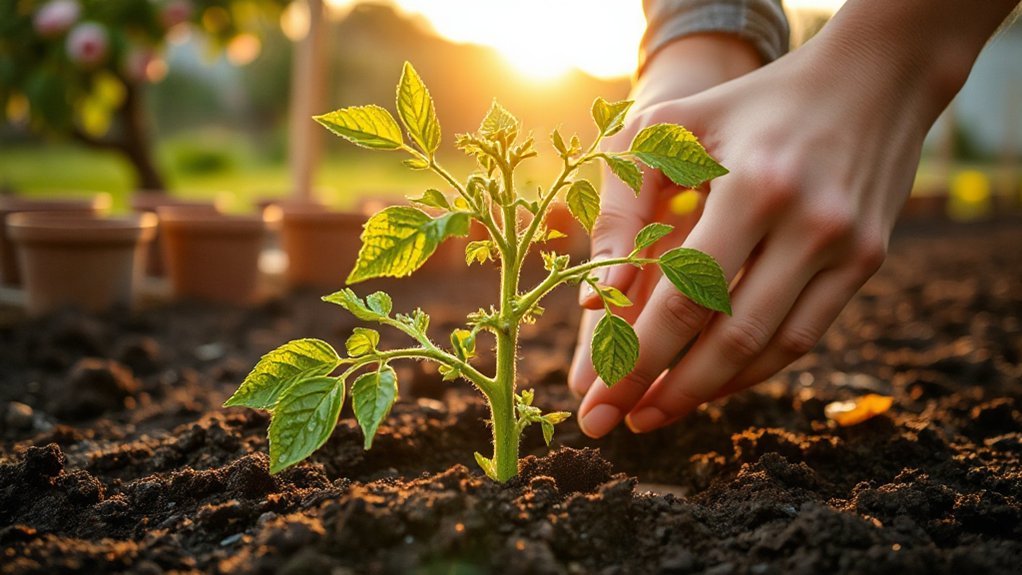
We all feel those seasonal shifts—our energy dips, skin dries out, or we get hit with allergies just when we least expect it. It’s a reminder that health and lifestyle aren’t static; they flow with nature’s changing rhythms. Small tweaks—like swapping out heavy lotions, adjusting our routines for more daylight, or choosing local, seasonal produce—can make a big difference. So, how do we stay balanced all year long? Stick with us; there’s plenty to explore.
Adapting Nutrition to Seasonal Changes
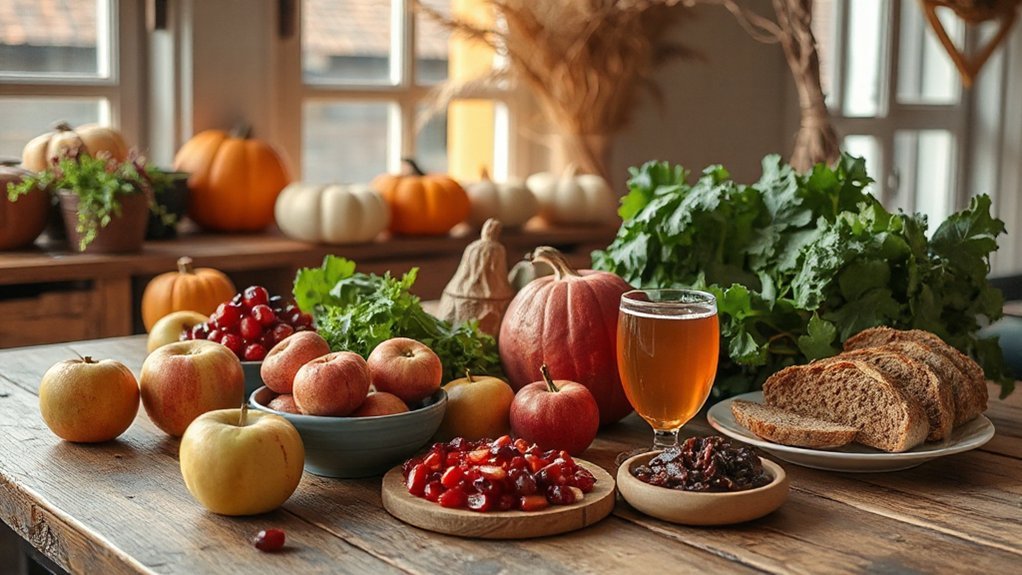
Meal planning becomes easier and more exciting when we align it with seasons.
Instead of stocking up on out-of-season produce, we can create dishes that highlight what’s in peak season—think roasted root vegetables in winter or a vibrant berry salad in summer.
It’s about more than taste; seasonal eating boosts nutrition, supports local farmers, and reduces waste.
Ready to tweak your menu? Focus on local, fresh produce for every season—your body will thank you.
Incorporating Seasonal Activities for Well-being

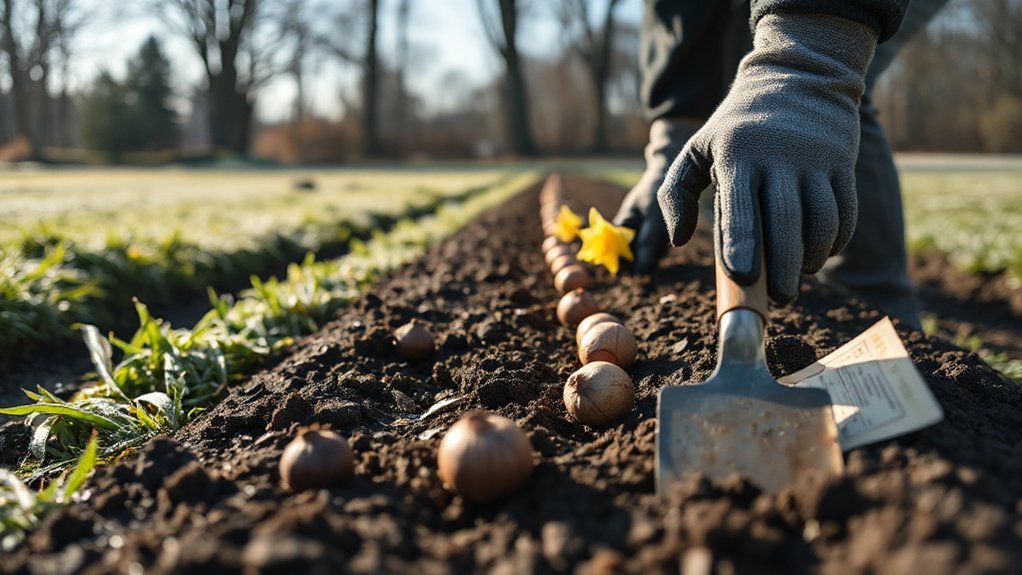
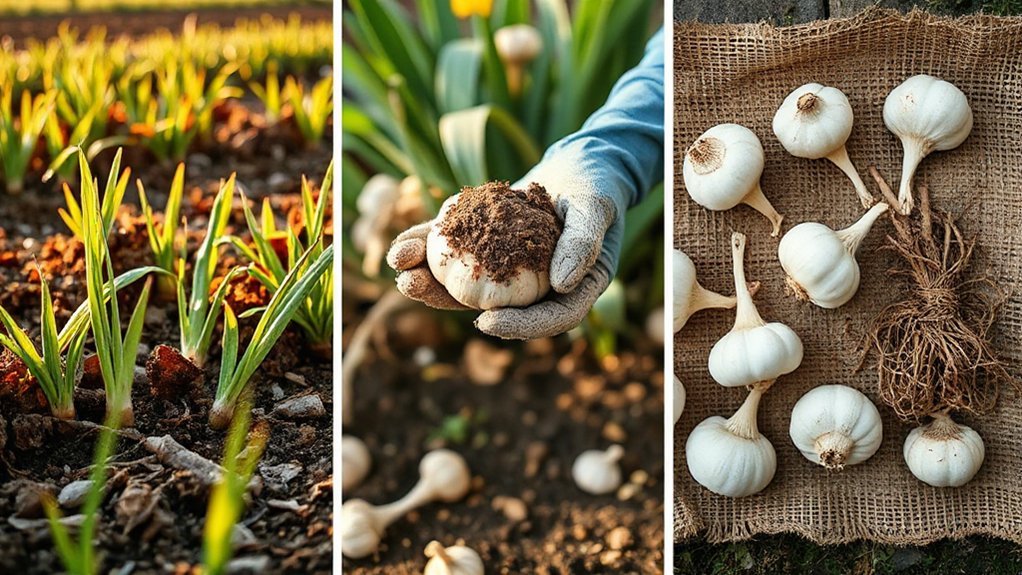
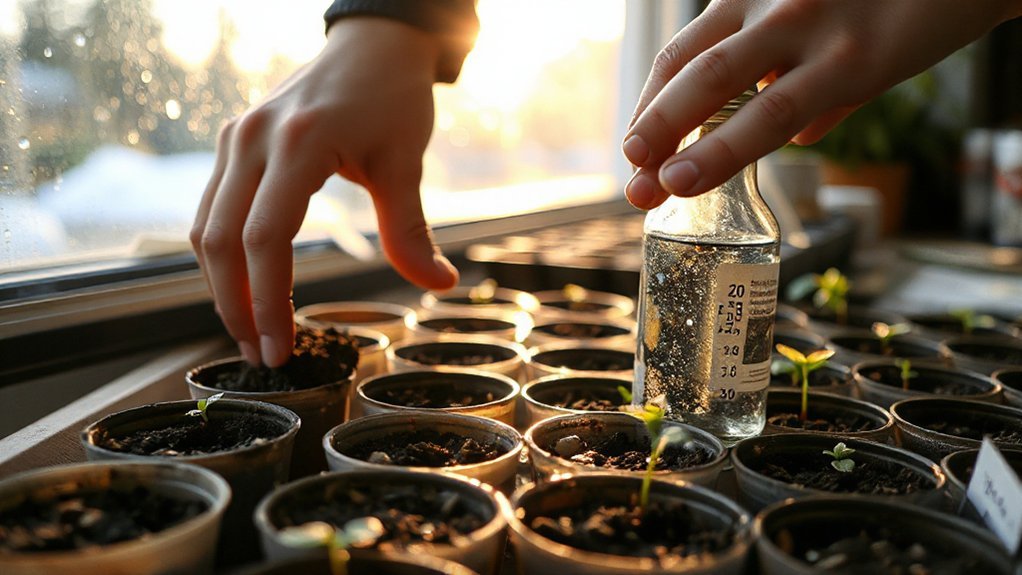
Getting outside and engaging in seasonal activities isn’t just fun—it’s a powerful way to boost your well-being. Think of garden therapy, planting herbs or flowers that thrive this time of year.
There’s something calming about digging in soil, watching it come alive, and feeling productive. Seasonal crafts are another great choice—making wreaths, leaf art, or painted pumpkins.
These activities connect us to the season, foster mindfulness, and spark creativity. Plus, they create tangible results you can admire or use, which boosts your mood.
Don’t stress about perfection—think of it as a way to enjoy the moment and embrace the imperfections. Incorporating these simple, seasonal touches into your routine can recharge your energy and deepen your appreciation for nature’s rhythms.
It’s not about doing everything—it’s about being present, having fun, and nourishing your mind and body in ways that sync with the season.
Understanding Mood and Energy Fluctuations Throughout the Year
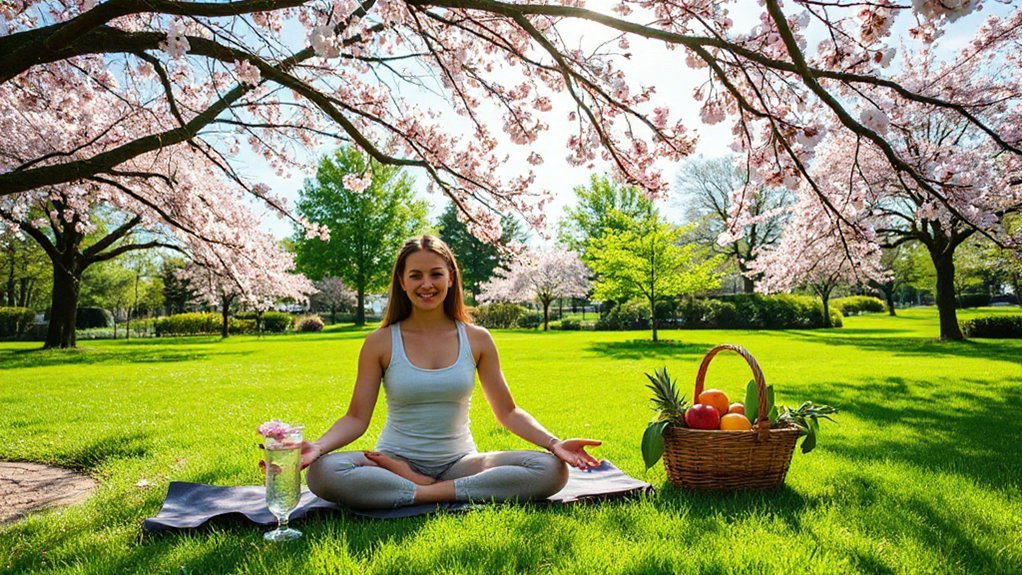

Our moods and energy levels aren’t just random; they follow a pattern linked to the seasons. As days get shorter or longer, our bodies respond through shifts in our chronotype—whether we wake up earlier or prefer to stay up late. These shifts aren’t just habits—they’re tied to hormonal rhythms that fluctuate with sunlight and temperature.
For example, in winter, many of us feel more sluggish or moody because melatonin production increases with less daylight, making us sleepy and less motivated. Conversely, summer boosts serotonin, lifting our spirits.
Recognizing these natural changes is key. We can adapt our routines—get outside during daylight, maintain consistent sleep schedules, and listen to our bodies.
It’s normal to feel more energized or tired at different times of the year. Understanding these patterns helps us stay balanced, no matter the season. Remember—what’s normal for the seasons is also perfectly okay.
Seasonal Skin Care and Hair Maintenance Tips

As the seasons change, so should our approach to skin and hair care—because what works in summer won’t cut it in winter, and vice versa.
Cooler air and indoor heating can dry out our skin, so focus on barrier repair—using moisturizers with ceramides and hyaluronic acid to protect against moisture loss.
For your scalp, regular exfoliation is key; gentle scalp scrubs or brushes help remove dead skin and buildup, encouraging healthier hair growth.
Don’t skimp on hydration, both inside and out—that means drinking plenty of water and using richer creams in colder months.
Adjust your shampoo: switch to milder formulas that don’t strip natural oils.
Would you ignore a cracked wall? Same with skin. Treat your face and scalp like your home — keep ’em repaired, moisturized, and exfoliated.
Because healthy skin and hair? That’s your seasonal armor. Ready to prep for winter? Let’s get started!
Managing Health Risks Common in Different Seasons

Seasons change, and with them come new health risks we need to face head-on. From spring allergies to winter colds, each season brings its own set of challenges. That’s why allergy preparedness is key—stay indoors during peak pollen times, keep windows closed, and consider allergy medications.
When it comes to flu prevention, vaccines are your best friend—get vaccinated annually, wash your hands often, and avoid close contact with sick folks. As temperatures drop, viral infections spread faster, so don’t ignore symptoms.
Maintaining good hygiene and staying active boost your immune system. Plus, listen to your body—rest when you’re tired, hydrate well, and don’t shy away from seeking medical advice if needed.
Conclusion
By tuning into each season’s unique rhythm, we can nourish our bodies, uplift our spirits, and stay healthy all year. Simple tweaks—like eating local produce, adopting sun-friendly routines, managing skin dryness, or enjoying outdoor hobbies—make a real difference. So, let’s embrace these changes confidently, keeping wellness front and center. After all, life’s a seasonal dance—why not dance along? Ready to thrive season by season? Let’s do this!